Wednesday, June 10, 2026
3 min read
Full or Part Service History: What It Means When You Sell
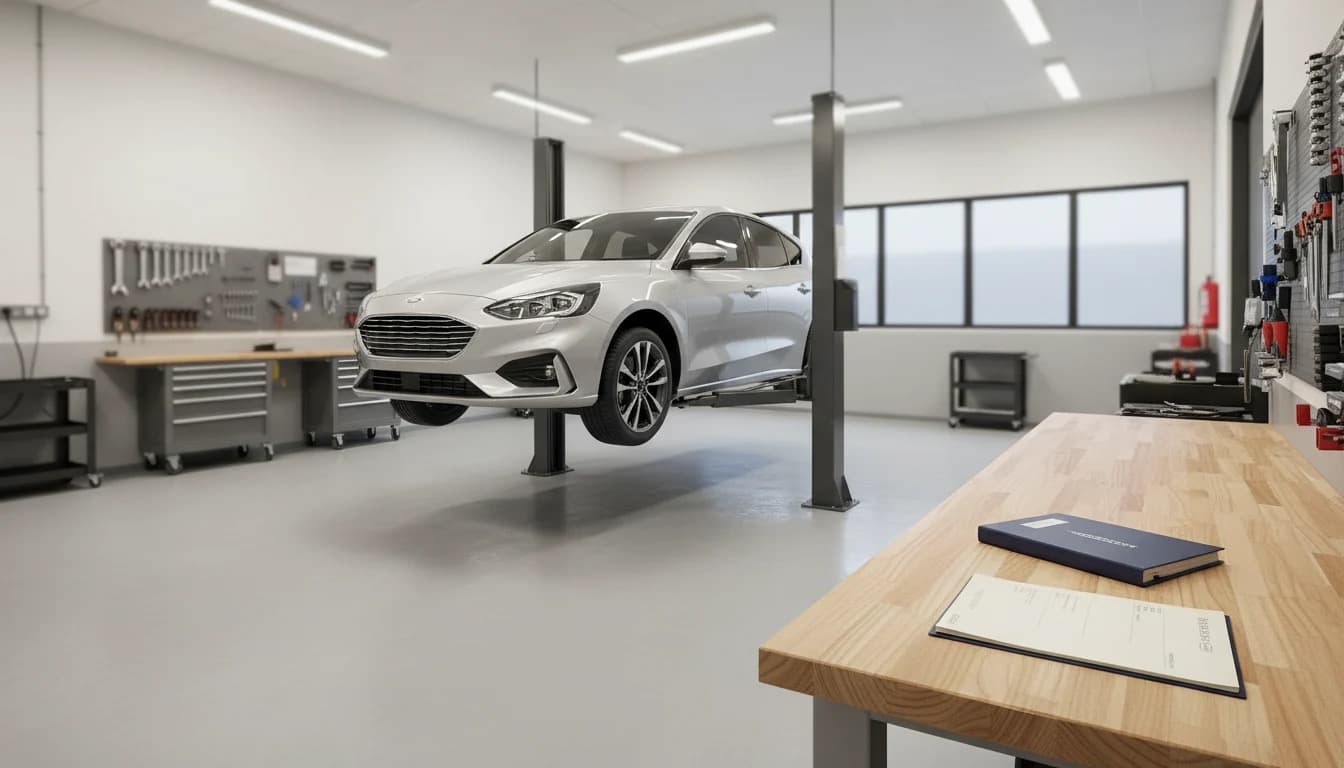
A full service history shows a car has been serviced on time throughout its life, with proof. A part history has gaps. Gaps do not mean a car is bad, but they make buyers and valuers more cautious, which usually means lower offers and a slower sale. Servicing on time and keeping every invoice is one of the cheapest ways to protect your car's value.
What counts as a full service history?
Every service done at the manufacturer's recommended time or mileage
Evidence for each one: stamps, invoices, digital records, or a mix
Records that match the mileage shown on the MOT history
It does not have to be main dealer only. What buyers want is proof the work was done properly and on time.
What is a part service history?
Some services are recorded but others are missing, late or unproven. Paperwork may have been lost, or a previous owner may have skipped a year. It is very common on older cars.
Why does service history affect what my car is worth?
Anyone buying a car with gaps has to assume some work may be overdue, such as oil changes, a cambelt or brake fluid. A trade buyer will usually allow for the cost of catching up on that work in their offer. A private buyer is more likely to haggle or walk away. A complete history widens the pool of buyers and tends to bring stronger offers.
How much difference it makes depends on the car. It matters more on higher-value cars, automatics, hybrids, electric cars and modern diesels, where buyers want more reassurance.
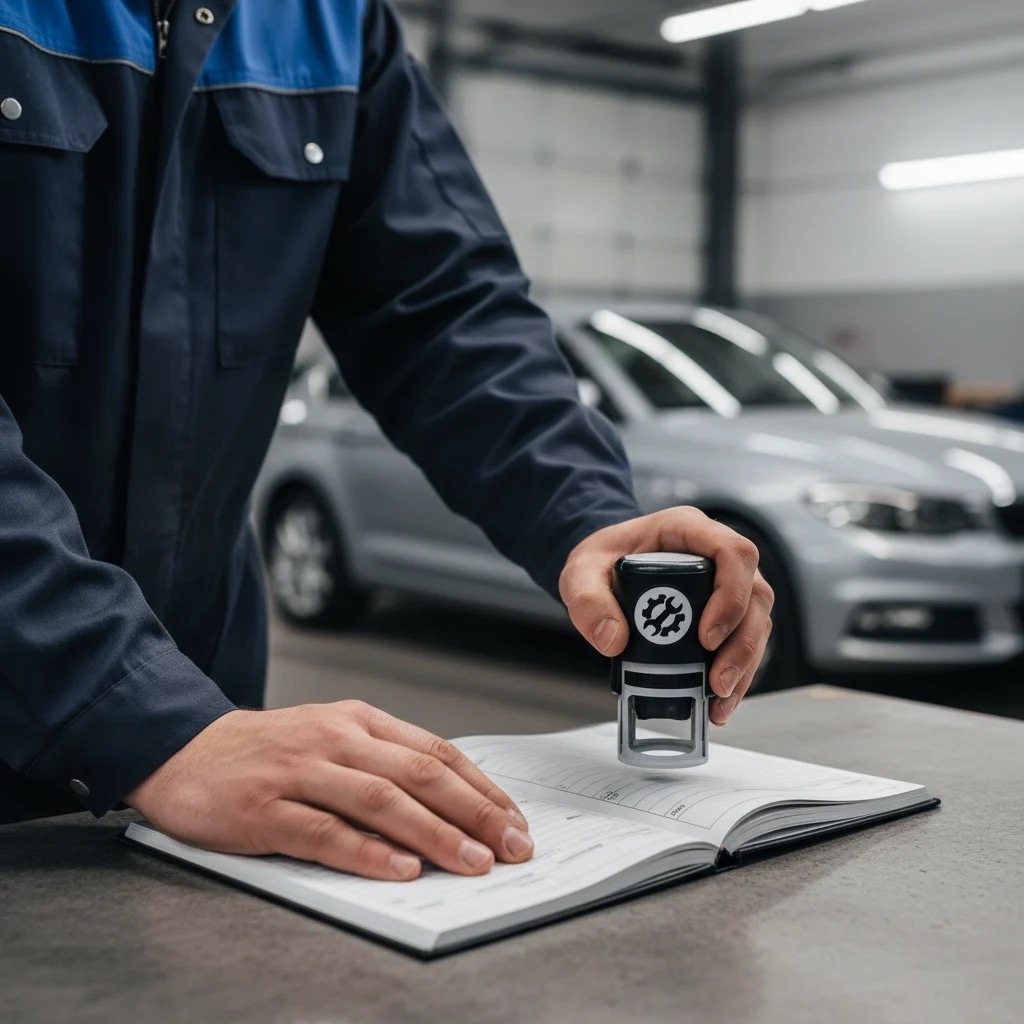
What do buyers look for in the paperwork?
Invoices, not just stamps: they show what was done, when, at what mileage and with which parts and fluids.
Consistency: regular services with no long gaps.
Major items: proof of cambelt or wet belt changes, brake fluid, gearbox servicing and anything else the schedule calls for.
A clean MOT history: anyone can check it on GOV.UK, and repeated advisories raise questions.
My car has gaps in its history. What can I do?
Ask garages that have worked on the car for copies of old invoices. Some manufacturers also keep digital service records you can request.
Get the car serviced now, including any overdue major items, and keep the invoice.
Deal with MOT advisories before you sell.
Keep everything in one folder, or photograph it, so buyers can see it at a glance.
Buying rather than selling? Our guide to checking service history before you buy covers it from the other side.
Common questions
Does servicing at an independent garage count as full history?
Yes, if the services follow the manufacturer's schedule and are properly recorded. See our guide on independent servicing and warranties.
Is a digital service record as good as a stamped book?
Generally, yes. Many newer cars no longer have a paper book. Print or save the records so you can show them to a buyer.
Do electric cars need a service history?
Yes. There is no oil to change, but brakes, coolant, cabin filters and battery checks still need doing, and buyers of used electric cars will want to see proof.
Keep your car's history complete in Barnsley
Our service centre in Barnsley, South Yorkshire services cars to the manufacturer's schedule. Our labour rate is £80 per hour plus VAT, and our menu prices include VAT. Call Customer Care on 01226 574321. Ready to sell? Get a value through sell or part exchange at anycolourcar.com.
This guide is general information, not financial advice. Updated October 2026.
