Tuesday, February 3, 2026
3 min read
Used Luxury Cars: Buying After the Biggest Depreciation Hit
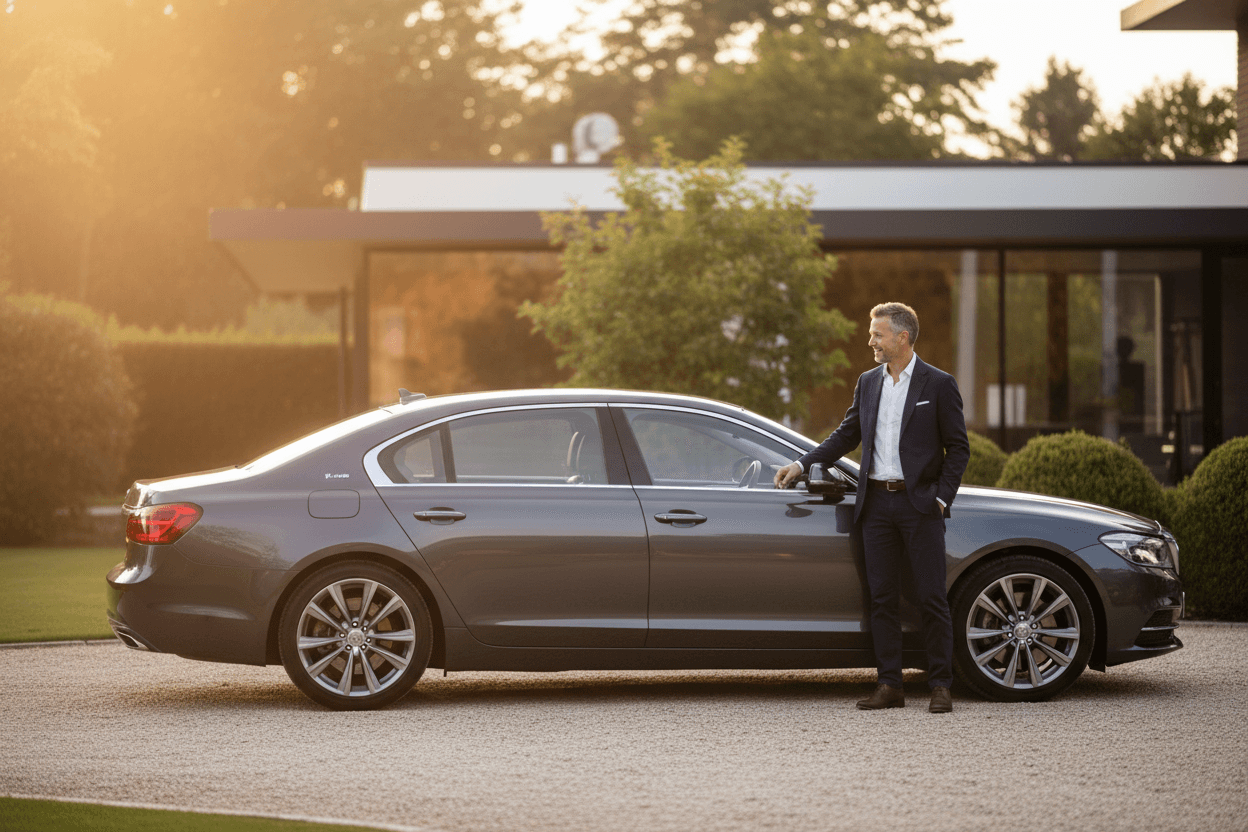
Premium cars usually lose the most value in their first few years. Once that steep drop is over, a well-kept example often loses value much more slowly, which can make a five to eight-year-old luxury car good value. The catch is that tyres, brakes, parts and insurance still cost premium-car money.
Why do luxury cars lose value so quickly at first?
Many premium cars are first bought by companies or on lease, and they come back onto the used market in large numbers after a few years. Expensive options add a lot to the new price but little to the used value. Both push early depreciation up.
Later on, once the price has fallen into the range where lots of private buyers are shopping, demand helps steady values. Cars still depreciate, but more gently, as long as they stay in good condition with a proper history. Our guide to car depreciation explains the wider picture.
Which used luxury cars are worth looking at?
BMW 3 Series
Plenty of choice, good to drive and still modern inside at five or six years old. Look for a complete service history and avoid heavily modified examples.
Mercedes-Benz C-Class
Comfortable on long runs, and well-specified cars still feel upmarket. Very large wheels with thin tyres look good but cost more and ride less smoothly.
Audi A6
A big, refined car with a large boot. Suited to regular motorway driving. Check suspension and tyre condition, as big heavy cars wear both.
Volvo S60, V60 and XC60
Comfortable seats, strong safety equipment and a calmer image. As with any premium car, a neglected example can become expensive.
Lexus
Well built and often hybrid, which suits drivers moving away from diesel. Ask for evidence of hybrid system health checks as part of the service history.
What running costs should I plan for?
Tyres: larger wheels mean more expensive tyres.
Brakes and suspension: heavier, more powerful cars get through them faster.
Insurance: premium models often sit in higher groups.
Road tax: cars registered from April 2017 that cost over £40,000 new pay an extra annual charge for five years from their second tax year. Check the exact car on GOV.UK.
Fuel: bigger engines use more, especially around town.
Our running cost calculator helps you compare a premium car with something more ordinary.
What should I check before buying one?
A full service history, with major items such as cambelts or gearbox fluid done on time where required.
The MOT history for repeated advisories.
That all the electronic features work, because they can be costly to fix.
A history check for outstanding finance, write-offs and mileage problems.
See our guide to checking a car's history for more.
Common questions
Is a high-mileage premium car a bad idea?
Not always. A car with mostly motorway miles and a full history can be a better buy than a low-mileage car that has been neglected. History matters more than the number.
Do luxury cars stop losing value altogether?
No. They keep depreciating, just more slowly than when new. Condition, mileage and history decide how slowly.
Can an independent garage service a premium car?
Yes, as long as it follows the manufacturer's schedule and uses the right parts and fluids. Our guide on independent servicing and warranties explains more.
Looking for a used premium car in Barnsley?
Browse the cars in stock at anycolourcar.com in Barnsley, South Yorkshire, or get a value for your current car through sell or part exchange. Call Sales on 01226 574410, or our service centre on 01226 574321.
This guide is general information, not financial advice. Updated October 2026.
