
Wednesday, June 10, 2026
4 min read
The Depreciation Sweet Spot: Why 3–6 Year Old Cars Often Make the Most Sense
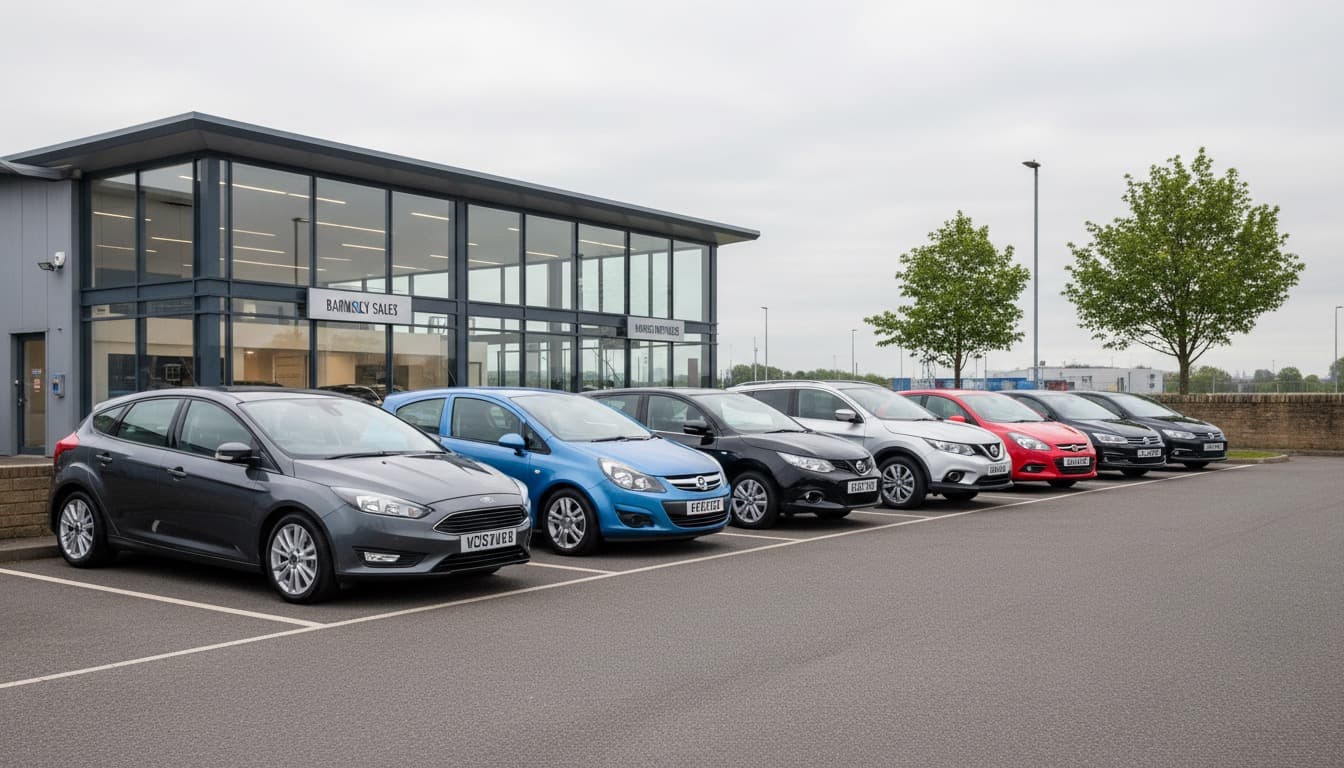
Most buyers focus on the headline price, monthly payment, or fuel economy.
All important.
But if you want to make a genuinely smart decision, you need to think like this:
What will this car cost me to own — and what will it be worth when I’m done with it?
That’s where depreciation comes in, and it’s the single biggest reason many people feel like they “lost money” on a car, even if it never broke down.
Here’s the simple truth: for a lot of UK drivers, the best value is often found in cars that are around 3–6 years old. Not brand new, not ancient — just in the middle where value and reliability tend to balance out.
What is depreciation (in plain English)?
Depreciation is just the amount of value a car loses over time.
Some cars lose value steadily. Others drop hard in the first few years, then level out.
If you buy at the wrong point, you can end up paying for the steepest part of that drop.
If you buy at the right point, you can often enjoy a nicer car without taking the biggest hit.
Why 3–6 years is often the “sweet spot”
There are a few reasons this age bracket tends to make sense:
1) The biggest value drop has usually already happened
New and nearly-new cars often lose value fastest in the early years.
By the time a car is 3–6 years old, the “big drop” period is often behind it, and values tend to move more gradually.
That means you’re less likely to take a heavy depreciation hit over the next couple of years (assuming you buy wisely and maintain it properly).
2) You still get modern safety and tech
A 3–6 year old car is usually modern enough to have the features most people actually want:
better crash safety standards than older cars
touchscreen / smartphone integration (depending on model/trim)
efficient engines and sensible CO₂ figures
good comfort and refinement
So you’re not paying top money, but you’re also not stepping back 15 years in design and spec.
3) Finance and affordability tend to align better
For many buyers, this age range sits in the “comfortable” zone:
newer than the risky end of the used market
cheaper than brand new
still appealing to the next buyer when you come to sell
The part most people miss: depreciation + running costs work together
A car can be cheap to fuel… and still expensive overall.
How? If it drops value quickly.
A good “total cost” mindset includes:
depreciation (what you lose in value)
servicing and maintenance
tyres and brakes
insurance group
road tax (where applicable)
fuel/charging
When customers ask us “what’s the cheapest car to run?”, the real answer is usually:
the car that doesn’t sting you on depreciation and doesn’t surprise you with running costs.
How to buy a 3–6 year old car smartly
Not every car in this age range is automatically a great buy. Here are the checks that make the difference.
1) Prioritise condition and history over “the cheapest one”
Two similar cars can look identical online, but one has been cared for and the other hasn’t.
Things that usually pay you back later:
tidy interior (it signals overall care)
matching tyres in good condition
clean bodywork without lots of dents and scuffs
paperwork that actually makes sense
2) Service history protects resale value
Even if a car feels fine today, buyers and part-exchange valuations care a lot about documentation.
A well-maintained car is usually:
easier to sell
easier to finance for the next buyer
valued higher because it looks lower-risk
This is one of the biggest “depreciation levers” you can control as an owner.
3) Buy for demand, not just for yourself
You should like your car — obviously.
But resale value is driven by what other people want later. Cars that are typically easier to sell include:
popular hatchbacks
small SUVs
automatics that suit wider audiences
sensible colours/specs
models with a reliability reputation
Unusual trim/engine combinations can be fine, but they sometimes shrink the pool of future buyers.
The best strategy: buy well, look after it, sell well
If you want to “win” at car ownership cost-wise, this is the play:
Buy at a point where values are steadier (often 3–6 years old)
Keep it in good condition
Maintain it properly and keep records
Choose a model with consistent demand
That’s how you avoid the painful feeling of “I paid good money and got hammered when I sold it”.
A Barnsley note: why local aftercare matters
If you’re local to Barnsley and you’re thinking long-term, having a trusted place to service and maintain your car is a huge advantage.
Regular upkeep isn’t just about reliability — it’s about keeping the car attractive to the next owner too.
Ready to buy smarter?
If you want a used car that makes sense on depreciation and running costs, it helps to talk it through with people who aren’t trying to push you into the most expensive option.
At anycolourcar.com, our team is no-commission, so the focus stays where it should: getting you into the right car for your needs, budget, and future resale value.