Monday, May 27, 2024
3 min read
Dashboard Warning Lights: What They Mean and What to Do
Dashboard warning lights follow a simple rule of thumb: red means stop as soon as it is safe and find out what is wrong, amber means get it checked soon, and green or blue usually just tells you a system is switched on. Your car's handbook explains exactly what each symbol means on your model.
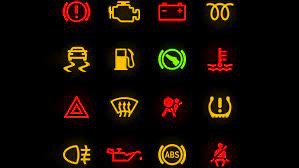
What do the colours of warning lights mean?
Red: a potentially serious problem or a safety issue. Stop when it is safe to do so and check the handbook before driving on.
Amber or yellow: something is not working as it should. You can usually continue carefully, but book a check soon.
Green or blue: information only, such as headlights, main beam or cruise control being on.
Which warning lights should never be ignored?
Oil pressure (red oil can). Low oil pressure can damage the engine quickly. Stop safely, switch off and check the oil level.
Coolant temperature (red thermometer). The engine may be overheating. Stop and let it cool. Never open a hot coolant cap.
Brake system (red exclamation mark in a circle). This can mean low brake fluid or a fault in the braking system. On some cars it also shows when the parking brake is on.
Battery or charging (red battery). The battery is not being charged properly, often because of an alternator or drive belt problem. The car may stop once the battery runs flat.
Engine management (amber engine outline). The engine or emissions system has detected a fault. If it flashes, reduce your speed and have it checked straight away, as it can mean a misfire. Our guide to engine warning lights goes into more detail.
Airbag (amber or red seated figure with a circle). The airbags may not work in a collision.
ABS (amber ABS letters). Normal braking should still work, but the anti-lock function may not.
Tyre pressure (amber horseshoe with an exclamation mark). One or more tyres may be low. Check and inflate them to the right pressure.
What should I do when a warning light comes on?
Note the colour and whether the light is steady or flashing.
If it is red, find a safe place to stop as soon as you can.
Check the handbook for that symbol.
Look for obvious signs, such as smoke, unusual noises, a temperature gauge in the red or a loss of power.
Book a diagnostic check rather than guessing, especially if the light stays on.
Can a warning light cause an MOT failure?
Yes. Some warning lights showing a fault, such as the engine management, ABS or airbag light, can lead to an MOT failure. It is worth sorting them out before the test. Our MOT checklist covers what to check beforehand.
Common questions
Can I drive with the engine management light on?
If it is steady and the car feels normal, you can usually drive carefully to have it checked. If it is flashing, or the car is losing power, stop and get advice.
Why did a warning light come on and then go off?
Some faults are intermittent. The car's computer usually stores a fault code, so it is still worth having it read.
Do warning lights come on when I start the car?
Yes. Many lights come on briefly as a self-check when you switch on the ignition and should go out within a few seconds.
Need a warning light checked in Barnsley?
anycolourcar.com has a service centre in Barnsley, South Yorkshire. Our labour rate is £80 per hour plus VAT. Find out more on our servicing and repairs page or call the service centre on 01226 574321.
Updated October 2026.
