Sunday, March 2, 2025
2 min read
Switching From Electric Back to Petrol: What Changes?
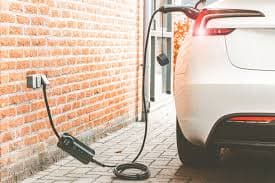
Some drivers do move from an electric car back to petrol, usually because charging does not fit their life or they cover lots of long journeys. It can be the right call, but it is worth knowing what changes day to day, from refuelling and servicing to running costs and the driving experience.
Why do some people switch back to petrol?
The most common reasons are practical:
moving house and losing off-street parking or a home charger
doing more long-distance driving than before
frustration with public charging cost or availability
needing to tow regularly, which can cut an EV's range sharply
preferring the feel of a petrol car or a manual gearbox
None of these are wrong. The best car is the one that fits how you actually drive.
What changes with refuelling?
Instead of plugging in at home, you will be visiting a filling station again. Refuelling takes a few minutes and filling stations are everywhere, which is a real advantage on long trips. The trade-off is losing the convenience of starting each day with a full charge, and paying whatever the pump price is on the day rather than an off-peak electricity rate.
How does servicing differ?
Petrol cars need more routine maintenance. Expect regular oil and filter changes, spark plugs, and on many engines a cambelt or chain to look after. Brakes also tend to wear faster, because there is no regenerative braking doing part of the work. Our guide to car service schedules explains what to expect.
Will it cost more to run?
For many drivers, yes, especially those who were charging at home on an off-peak tariff. Fuel usually costs more per mile than home electricity, and servicing costs are typically higher. On the other hand, a used petrol car may cost less to buy, and some drivers find insurance cheaper. Try our running cost calculator to compare the two for your mileage.
How does a petrol car feel to drive after an EV?
The biggest differences are noise, smoothness and response. Electric cars deliver instant pulling power and are very quiet. A petrol car has engine noise, gear changes and a short delay while the engine builds revs. Some drivers miss the calm of an EV, while others enjoy the more involving feel of a petrol engine, especially with a manual gearbox.
Is a hybrid a better middle ground?
For many people, yes. A self-charging hybrid needs no plugging in, uses less fuel than a similar petrol car in town, and refuels like any other car. A plug-in hybrid suits drivers who can charge at home for short trips but want petrol for long journeys. Our guide to hybrid or electric compares the options.
Common questions
Will petrol cars be banned?
Sales of new petrol and diesel cars are being phased out under government rules, but existing petrol cars can still be driven, bought and sold on the used market. Our guide to the 2030 petrol and diesel rules explains the detail.
Will my petrol car be hit by clean air zones?
Most petrol cars that meet Euro 4 emissions standards or later, which covers most cars registered from around 2006, are compliant with clean air zone and ULEZ rules. Always check your car on the scheme's own checker.
Can I part exchange my EV for a petrol car?
Yes. You can get a valuation for your car and use it towards your next one.
Thinking of changing fuel type?
Browse the cars we have in stock or call our sales team on 01226 574410 to talk through petrol, hybrid and electric options.
Updated October 2026.
