
Tuesday, April 1, 2025
2 min read
Do Electric Cars Pay Road Tax? Current Rules Explained
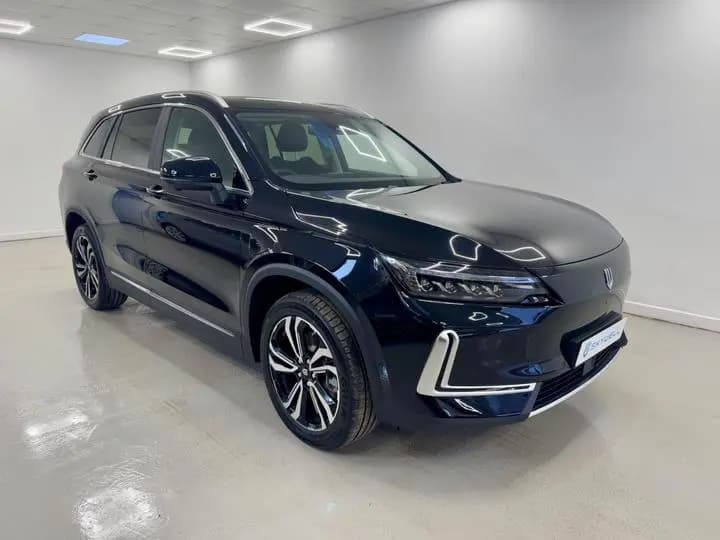
Yes. Electric cars have paid vehicle tax (VED, often called road tax) since 1 April 2025. An electric car registered on or after 1 April 2017 now pays the same standard yearly rate as a petrol or diesel car, which is currently £200 for a single 12-month payment.
How much is road tax on an electric car?
It depends on when the car was first registered.
New electric cars: the first-year rate for a zero emission car is £10. From the second year it moves to the standard rate.
Registered on or after 1 April 2017: the standard rate, currently £200 a year if you pay in one go.
Registered before 1 April 2017: a different, lower rate applies. Check the exact figure for your car on GOV.UK.
Rates usually change each April. The vehicle tax rate tables on GOV.UK always show the current figures.
Does the expensive car supplement apply to electric cars?
It can. The supplement is currently an extra £440 a year, paid for five years from the second time the car is taxed. It applies to cars with a list price of more than £40,000, but for electric cars the threshold is higher, at more than £50,000.
Zero emission cars registered before 1 April 2025 do not pay the supplement. The list price is the price when the car was new, including options, not what you pay for it used. If you are looking at a nearly new electric car, it is worth checking whether the supplement still has years left to run.
Is a pay-per-mile charge coming for electric cars?
The government plans to introduce a mileage-based charge, called Electric Vehicle Excise Duty, from 1 April 2028. The published plan is 3p a mile for electric and hydrogen cars and 1.5p a mile for plug-in hybrids, paid alongside normal vehicle tax using mileage readings.
This still needs to pass into law, so the details could change. The government's summary of the plan has the latest position.
Is an electric car still cheaper to run?
Vehicle tax is only one part of the cost. What you pay to charge, how many miles you cover and whether you can charge at home make a bigger difference for most drivers. Our cost comparison calculator lets you compare running costs using your own mileage, and the EV hub covers charging and range.
Common questions
Do you still have to tax an electric car if the rate is low?
Yes. Every car kept or used on the road must be taxed, whatever the rate. Tax does not transfer when a car is sold, so the new keeper has to tax it before driving it.
Do hybrids pay the same rate as electric cars?
For cars registered on or after 1 April 2017, hybrids, electric, petrol and diesel cars all pay the same standard yearly rate after the first year. First-year rates differ because they are based on CO2 emissions.
How do you check what a used electric car will cost to tax?
You need the date of first registration and, for newer cars, the original list price. Ask the seller, then check the figures against the GOV.UK rate tables.
Thinking about an electric car in Barnsley?
Browse our used cars or call the Sales team at anycolourcar.com on 01226 574410. We can tell you the registration date of any car you are interested in so you can check its tax rate.
This guide is general information, not legal or financial advice. Updated October 2026.