Saturday, June 15, 2024
3 min read
Ford BlueCruise Explained: How Hands-Free Motorway Driving Works
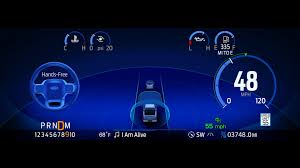
Ford BlueCruise is a driver assistance system that lets you take your hands off the wheel on approved stretches of motorway, while a camera checks you are still watching the road. It is not self-driving: you stay in charge of the car and responsible for it at all times.
What is Ford BlueCruise?
BlueCruise combines adaptive cruise control, lane centring and a driver-monitoring camera. On approved sections of motorway, known as Blue Zones, it can steer, brake and accelerate within its lane so the driver can rest their hands away from the wheel.
In April 2023 it became the first hands-free driving system of its kind approved for use on motorways in Great Britain, starting on the Mustang Mach-E. You can read Ford's announcement for the background.
How does BlueCruise work?
Adaptive cruise control: keeps a set speed and a gap to the vehicle in front, and can slow down or stop in traffic.
Lane centring: a forward-facing camera reads the lane markings and keeps the car in the middle of its lane.
Driver monitoring: an infrared camera watches the driver's eyes and head. If you look away from the road for too long, the car warns you and will hand control back.
Blue Zones: the system only works hands-free on mapped, approved motorway sections. Off those sections it works like a conventional hands-on assistance system, or not at all.
Is it the same as a self-driving car?
No. BlueCruise is a driver assistance system. You must keep watching the road, be ready to take over immediately, and you remain legally responsible for how the car is driven. Self-driving vehicles are covered by separate rules in the UK, explained in our guide to self-driving cars in the UK.
Which cars have BlueCruise?
Availability depends on the model, year and specification, and on whether the feature has been activated. It has generally been offered on newer Ford models such as the Mustang Mach-E, with other models added over time. It has usually required a paid subscription or plan after any included trial period.
If you are looking at a used Ford and BlueCruise matters to you, ask:
Does the car have the hardware needed for BlueCruise?
Is it currently active, and if so, until when?
What would it cost to activate or renew? Check with Ford directly, as plans and prices can change.
What should I check on a used car with driver assistance features?
Make sure the windscreen, cameras and sensors are clean and undamaged. A replacement windscreen may need the forward camera recalibrated.
Test adaptive cruise and lane assistance on the test drive, if it is safe and legal to do so.
Check that software updates and any recalls have been done.
Look for warning messages on the dashboard about unavailable assistance systems.
Our guide to car safety features and acronyms explains the other systems you may see listed.
Common questions
Can I use BlueCruise on any road?
No. Hands-free use is limited to approved motorway sections. The car tells you when hands-free driving is available.
Do I still need to pay attention?
Yes. The driver-monitoring camera checks that your eyes are on the road, and you must be ready to take control at any moment.
Does BlueCruise affect insurance?
Tell your insurer about the car's specification when you get a quote. How driver assistance features affect premiums varies between insurers.
Looking for a used Ford?
anycolourcar.com is based in Barnsley, South Yorkshire. Browse our cars in stock, or if you are selling a Ford, see our guide to selling your Ford. Call our sales team on 01226 574410.
Updated October 2026.
