Monday, September 14, 2026
4 min read
Private Sale or Selling to a Dealer: Which Is Better?
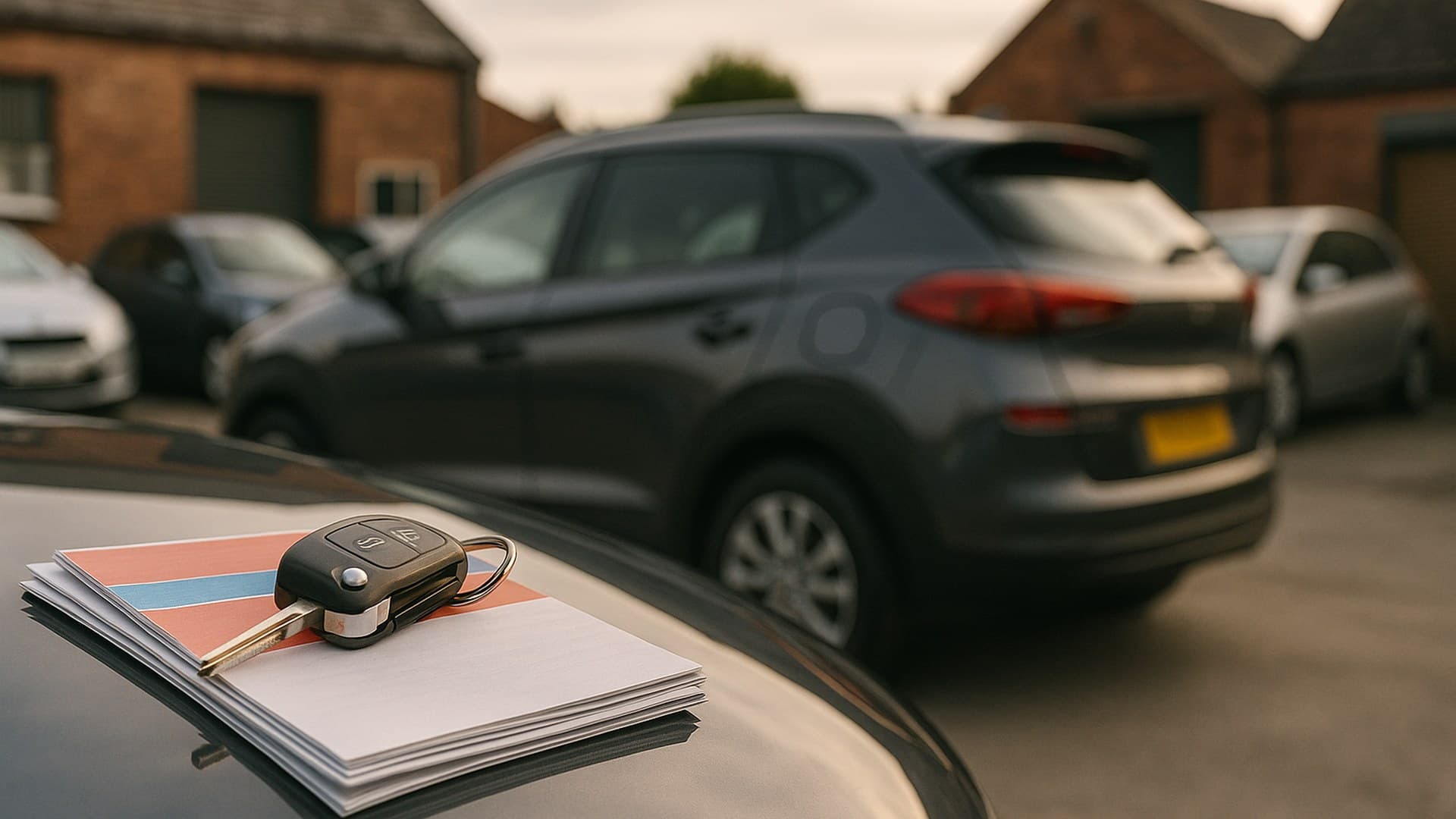
A private sale can bring a higher price, but you take on the advert, viewings, payment risk and DVLA paperwork yourself. Selling to a dealer is usually quicker and simpler, with less to manage. Whichever you choose, get the deal in writing, make sure payment has cleared and tell DVLA the same day.
What does selling privately involve?
When you sell privately, you do the job a dealer would normally do. You photograph the car, set a realistic price, answer messages, host viewings and test drives, agree terms and take payment.
That can work well if you have time and the car is in demand. The cost is your time, plus the risk of no-shows, haggling on the day and payment problems.
Write an honest advert with clear photos and the right price.
Arrange viewings somewhere safe, ideally at your home in daylight.
Check the buyer has insurance before any test drive.
Do not hand over keys or the car until payment has fully cleared.
What happens when you sell to a dealer?
A dealer looks at the car, checks its history and makes an offer. If you accept, the dealer handles most of the paperwork and pays you. If you owe money on finance, the dealer can usually settle it with the lender as part of the deal.
The offer is often lower than the best private price, because the dealer has to prepare the car, cover a warranty or guarantee and resell it. In return you avoid adverts and strangers, and you get a clear date for payment.
Before you agree, make sure the paperwork shows:
The car, its mileage and the agreed price.
How and when you will be paid.
How any outstanding finance will be settled.
Who tells DVLA about the sale.
How does payment risk compare?
Payment is where private sales most often go wrong. Common problems include bank transfers that look complete but have not cleared, fake payment screenshots, counterfeit cash and buyers who push you to release the car before the money arrives.
When you sell to an established business, payment terms are agreed up front, so this risk is much lower. For more on staying safe, read our guide to the safest ways to get paid when you sell your car.
What paperwork do you need either way?
The legal steps are the same whoever buys the car. GOV.UK explains your responsibilities when selling a vehicle.
V5C log book in your name, with your current address.
Tell DVLA you have sold the car, giving the buyer's name and address. You can do this online, and DVLA will refund any full months of road tax left.
Give the buyer the green new keeper slip from the V5C.
Service history, MOT records and receipts help buyers trust the car and can support a better offer.
Spare keys, locking wheel nut and any charging cables should go with the car.
While you are still selling, you can show buyers the V5C so they can check the details match the car. Do not share the document reference number, and do not send photos or copies of the log book.
If you want to keep a private number plate, take it off the car through DVLA before you sell.
What if you still owe money on finance?
On hire purchase or PCP, the car belongs to the lender until the agreement is paid off, so you cannot simply sell it privately. Ask your lender for a settlement figure first.
If you sell privately, you need to pay off the lender before you hand over the car, so timing can be tricky. If you sell or part-exchange with a dealer, the dealer can usually pay the lender directly from the sale price. If the car is worth less than you owe, you need to pay the difference.
Our guide on selling a car that is on finance goes into more detail. If you are looking at part exchange, it explains how an offer is built.
If you need finance for your next car, we can help you apply. We are a credit broker, not a lender. Finance is subject to status and affordability checks. Start with our finance page.
Which option suits you?
A private sale may suit you when:
The car is popular and in good condition.
You have time for messages and viewings over a few weeks.
There is no finance on the car, or you can settle it cleanly first.
You are comfortable checking payment before letting the car go.
Selling to a dealer may suit you when:
You want the car sold quickly.
There is finance to settle as part of the deal.
You would rather not have strangers viewing the car or handle payment risk.
You are buying another car and want to part-exchange.
Common questions
Do I have to tell DVLA if I sell privately?
Yes. You must tell DVLA when you sell or transfer a vehicle, whoever the buyer is. Use the GOV.UK sold or bought a vehicle service and give the buyer the green new keeper slip.
Is a private sale always worth more?
Often the headline price is higher, but not always once you count your time, advertising, a lower final price after haggling or a sale that falls through. Compare the best private price you can realistically get with a firm dealer offer.
Can I sell a car that still has finance on it?
Only once the finance is settled, because the lender owns the car until then. A dealer can usually settle it for you as part of the sale.
Thinking of selling your car in Barnsley?
You can get started on our sell your car page or call our sales team on 01226 574410. If the car needs work before you sell, our service centre is on 01226 574321.
This guide is general information, not legal or financial advice. Updated October 2026.
