Friday, December 20, 2024
3 min read
Travelling With Pets in the Car: Safety, Comfort and the Law
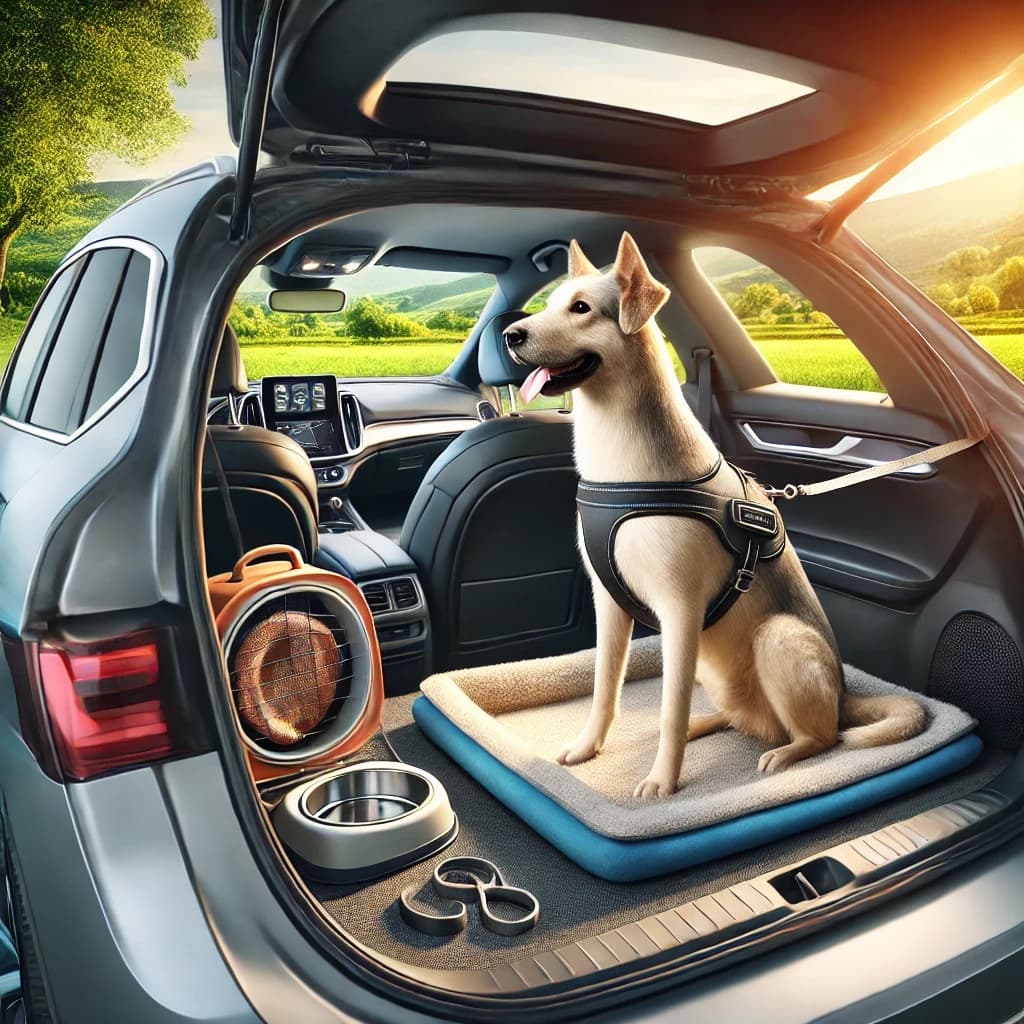
The safest way to travel with a dog or other pet is to keep it restrained, cool and calm, with regular breaks on longer trips. The Highway Code expects animals to be secured so they cannot distract you or be hurt if you brake hard.
What does the law say about pets in cars?
Rule 57 of the Highway Code says animals in a vehicle should be suitably restrained so they cannot distract the driver or injure anyone if you stop quickly. It lists a seat belt harness, a pet carrier, a dog cage or a dog guard as suitable options.
Breaking a Highway Code rule is not always an offence in itself, but a loose pet that causes a distraction could lead to a careless driving charge. It may also cause problems with an insurance claim, so check your policy.
How should I restrain my dog in the car?
Choose the option that suits the size of your pet and your car:
Crash-tested harness: clips into the seat belt and suits most dogs on the back seat.
Crate or carrier: best for cats, small dogs and nervous travellers. Secure it so it cannot slide.
Dog guard: a barrier between the boot and the cabin, useful for larger dogs travelling in an estate or SUV.
Do not attach a harness to a collar, and never let a dog ride in the front footwell or on a passenger's lap. A front airbag can seriously injure an animal.
How do I keep my pet comfortable on a long trip?
Bring a familiar blanket or bed so the car smells of home.
Avoid a big meal just before you set off, as some animals get travel sick.
Carry water and a spill-proof bowl.
Stop every couple of hours so dogs can stretch, drink and go to the toilet.
Keep the car at a comfortable temperature and use sun blinds on rear windows in summer.
If your pet is not used to the car, build up with short trips first. Ending each trip somewhere fun, such as a walk, helps.
Is it safe to leave a pet in a parked car?
No. The inside of a car can heat up very quickly, even on a mild or cloudy day, and opening a window slightly does not make it safe. Dogs can suffer heatstroke in a short time. If you need to stop somewhere you cannot take your pet, make sure someone stays with it with the air conditioning running, or plan the trip differently.
In winter, cars also get cold quickly, so do not leave pets alone for long then either.
Should my dog put its head out of the window?
It is best not to. Grit, insects and debris can injure eyes and ears, and a dog could try to jump out. Keep windows open only a small amount for fresh air.
Common questions
Does my pet need identification when travelling?
Dogs in England must be microchipped and must wear a collar and tag showing the owner's name and address when in a public place. Make sure the microchip details are up to date before a trip.
Which cars are best for dogs?
Look for a low, wide boot opening, a flat load floor and enough height for your dog to sit up. Our guide to dog-friendly cars goes into more detail.
Can a cat travel loose in the car?
It should not. A secure carrier, strapped in or wedged in the footwell behind a front seat, is the safest way for a cat to travel.
Looking for a car that suits you and your pet?
Have a browse of the cars we have in stock in Barnsley, or call our sales team on 01226 574410 if you want to check boot space or seat layouts before you visit.
Updated October 2026.
