
Monday, May 27, 2024
2 min read
Understanding the Latest Car Safety Features and Acronyms
Understanding the Latest Car Safety Features and Acronyms
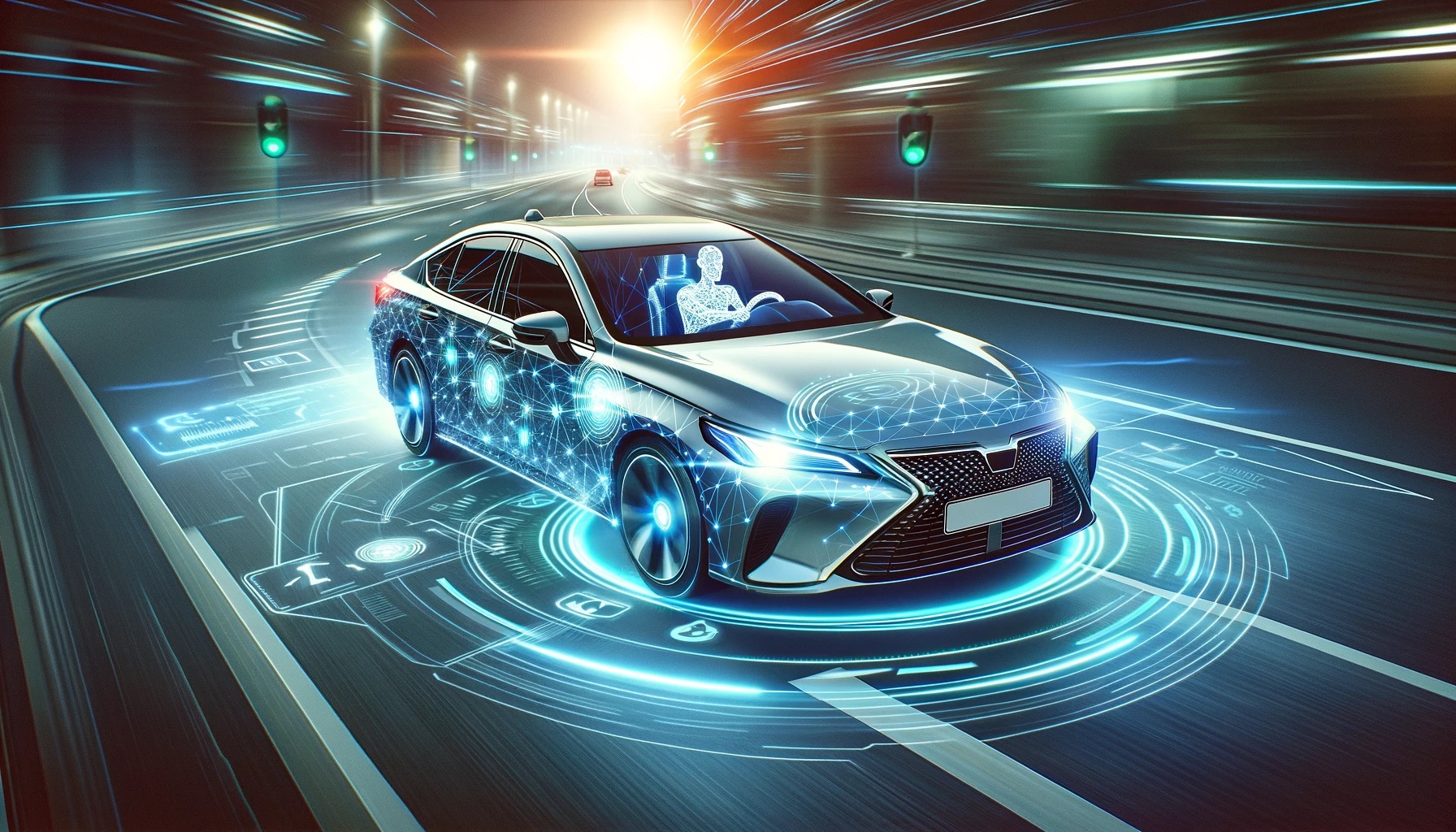
The automotive industry is constantly evolving, with safety at the forefront of its innovations. Understanding the latest safety features and their acronyms is crucial for consumers to make informed decisions. Here's a guide to some of the most prominent safety features in modern cars and what they mean.
1. Advanced Driver Assistance Systems (ADAS)
ADAS encompasses a range of automated systems designed to reduce human error on the road. These include features like autonomous emergency braking (AEB), adaptive cruise control (ACC), and parking sensors. ADAS aims to provide a more machine-led driving process, reducing accidents caused by driver error or reaction, which accounts for approximately 70% of all road accidents.
2. Lane Departure Warning and Lane Keeping Assist
Lane Departure Warning systems alert drivers with visual, audible, or haptic cues if the vehicle starts to veer out of its lane. Lane Keeping Assist builds on this by steering the car back into the lane if the driver doesn’t respond, helping prevent accidents caused by fatigue or distraction.
3. Blind Spot Detection (BLIS)
Blind Spot Detection, sometimes referred to as BLIS (Blind Spot Information System), uses sensors to monitor areas alongside and behind your car. If there’s a vehicle in your blind spot, the system alerts you, enhancing safety during lane changes.
4. 360-Degree Camera Systems
These systems use multiple cameras positioned around the car to provide a bird’s-eye view, aiding in parking and maneuvering in tight spaces. They significantly reduce the risk of parking mishaps.
5. Airbag Innovations
Modern vehicles are equipped with advanced airbags, including side-curtain and knee airbags. These airbags are designed with sensors that determine the force of impact and adjust deployment accordingly, enhancing passenger safety.
6. Pedestrian Detection and Protection
Using cameras and sensors, these systems identify pedestrians near or crossing the vehicle’s path. They can warn the driver and apply emergency braking to prevent or lessen the impact of a collision.
7. Drowsiness Detection
This feature assesses the driver’s level of alertness by monitoring behaviors like steering patterns and eye movements. It alerts drivers to take a break if signs of drowsiness are detected, thereby preventing accidents.
8. Advanced Vehicle-to-Everything (V2X) Communication
V2X communication systems allow cars to exchange information with other vehicles, traffic lights, and road infrastructure. This exchange warns drivers about potential hazards ahead, enabling proactive responses to avoid accidents.
Conclusion
The integration of these sophisticated safety features in modern cars is transforming our driving experience, making it safer and more efficient. As technology continues to advance, the future of automotive safety looks promising, with the potential to significantly reduce accidents and enhance overall road safety. Remember, while technology aids in safety, responsible driving remains key.