Friday, January 17, 2025
2 min read
Buying a Classic Car: Costs, Checks, Tax and MOT Rules
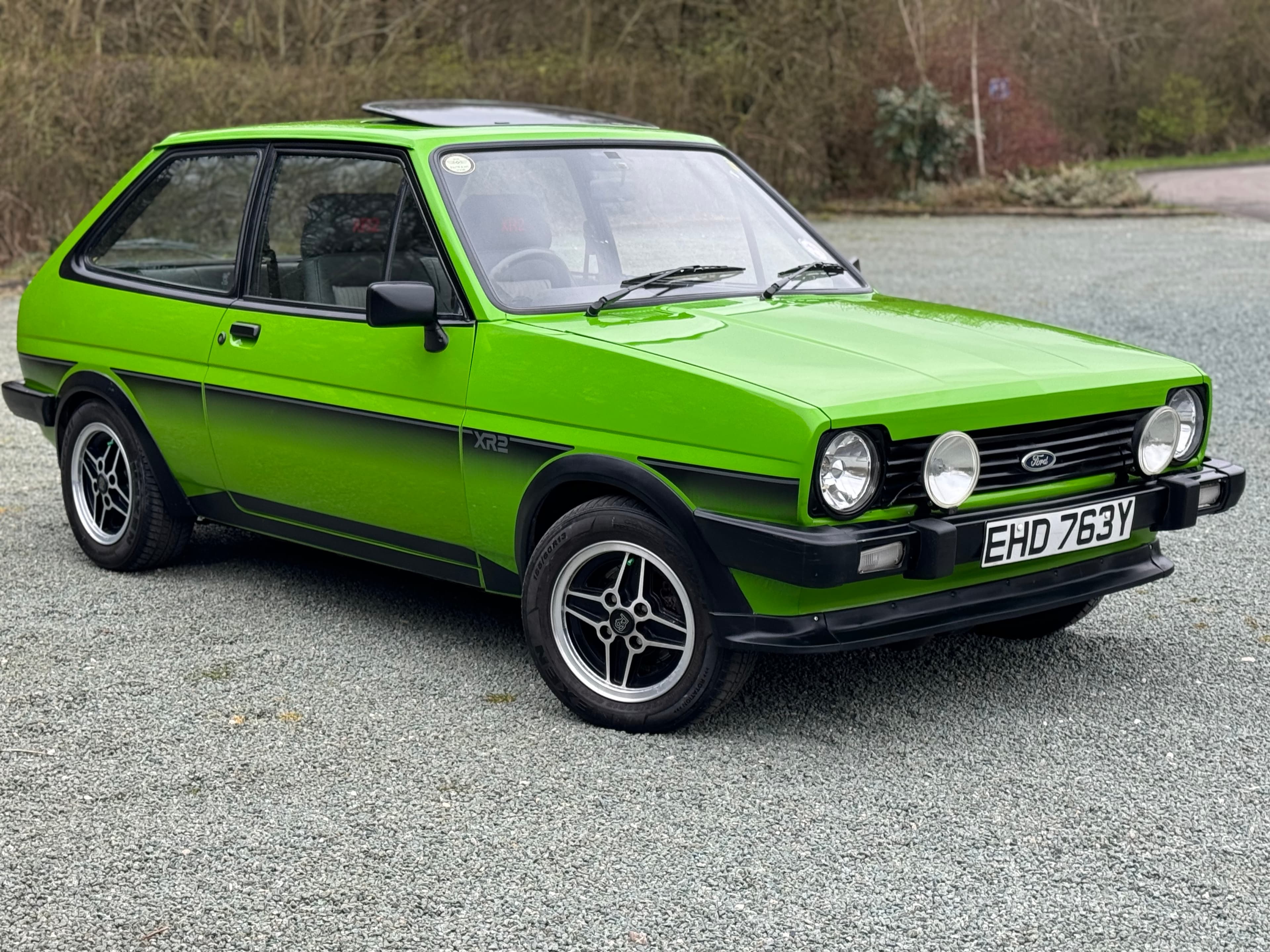
Classic cars remain popular because of their looks, the way they drive and the people you meet through owning one. Before you buy, it pays to understand the real running costs, the paperwork and the time a classic asks of you.
Why do people buy classic cars?
For most owners it is about enjoyment rather than transport. A classic offers a more involving drive, styling that stands out, and often a personal connection, such as the model a parent owned or the car you wanted when you were young.
Owners' clubs, local meets and shows across Yorkshire are a big part of the appeal. They are also the best place to learn about a model before you buy one.
Are classic cars a good investment?
Some are, many are not. Values of rare and well-documented cars have risen over time, but prices can fall as well as rise, and running, storage and restoration costs eat into any gain. Buy a classic because you want to own and drive it, not as a way to make money.
What should I check before buying a classic?
Rust: the biggest enemy of older cars. Check sills, floors, wheel arches, subframes and door bottoms.
History: bills, old MOT certificates and previous owners help prove how the car has been looked after.
Originality: matching numbers and correct parts matter to value on many models.
Parts supply: some models are easy to keep running, others need specialist sourcing.
Club advice: an owners' club inspection or a specialist's opinion is worth paying for on an expensive car.
Our guide to checking a car's history covers the basic checks that apply to any used car.
What does a classic cost to run?
Budget for more than fuel. Older cars often need more frequent servicing, parts can be expensive or slow to find, and they are usually less economical than a modern car. Most owners keep a classic in a dry garage, as damp storage speeds up corrosion.
Classic car insurance can be good value if you accept limited annual mileage and secure storage, so get quotes from specialist insurers.
Do classic cars pay road tax or need an MOT?
Cars built more than 40 years ago can qualify for the historic vehicle tax class, which means no vehicle tax to pay, although you still have to tax the car and apply for the exemption. From 1 April 2026 this covers cars built before 1 January 1986. Most cars over 40 years old are also exempt from the MOT, unless they have been substantially changed. Full details are on GOV.UK.
Even without an MOT, the car must be roadworthy, so an annual check is still sensible. There is more on the rules, including clean air zones, in our guide to classic cars in South Yorkshire.
Common questions
Can I use a classic car every day?
Some people do, but most classics are happier as second cars. Daily use in winter, with salted roads, can speed up rust.
Which classics are easiest for a first-timer?
Popular models with strong club support and good parts supply are usually the easiest to own, because help and parts are easy to find.
Will a classic car be affected by clean air zones?
It can be. Rules differ between cities, and some offer exemptions for historic vehicles. Always check the scheme before you drive into a zone.
Need an everyday car alongside your classic?
If you want a reliable daily driver so the classic can stay dry for weekends, have a look at the cars we have in stock or call our sales team on 01226 574410.
Updated October 2026.
