Tuesday, January 7, 2025
3 min read
Signs Your Car Needs Repairs: Lights, Noises, Leaks and Smells
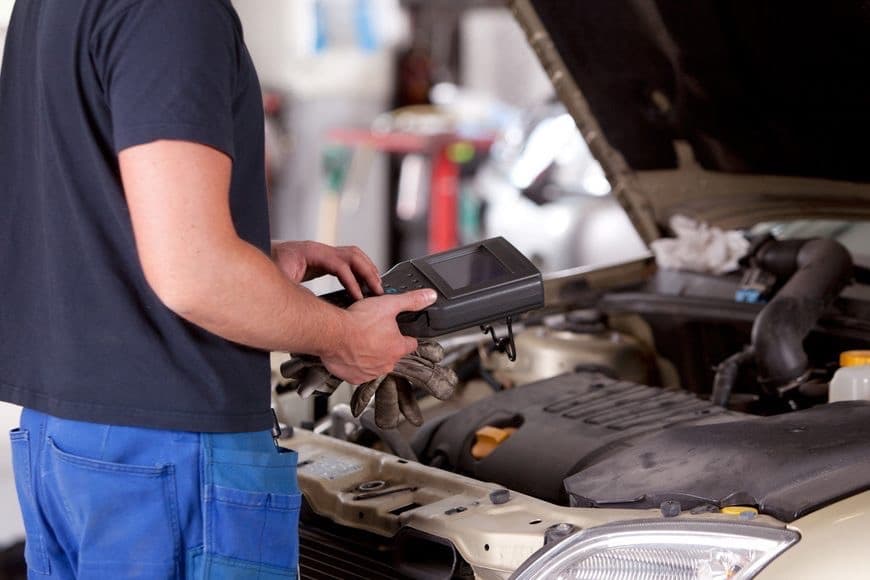
Most cars warn you before something fails: a dashboard light, a new noise, a vibration, a leak, a smell or a change in how the car drives. Spotting these early usually means a smaller bill and less risk of a breakdown.
Which warning lights mean I should stop driving?
As a rule, red lights mean stop as soon as it is safe, and amber or yellow lights mean get the car checked soon. The ones to take most seriously are:
Oil pressure (red oil can): stop and switch off. Driving on can wreck the engine.
Coolant temperature: the engine may be overheating.
Brake warning: low brake fluid or a brake system fault.
Battery or charging: the alternator may have stopped charging, so the car could cut out.
Engine management (amber engine shape): have it checked soon. If it flashes, reduce speed and stop driving as soon as it is safe, as this can signal a misfire that damages the catalytic converter.
Our guide to dashboard warning lights explains the full set.
What do different noises usually mean?
Squealing or grinding when braking: worn brake pads or discs.
Knocking or clunking over bumps: worn suspension parts such as drop links, bushes or shock absorbers.
Rattling from underneath: often a loose heat shield or exhaust.
Whining that rises with speed: possibly a wheel bearing, power steering or gearbox issue.
Hissing under the bonnet: a vacuum, coolant or exhaust leak.
There is more detail in our guide to strange noises.
Why is my car vibrating or pulling to one side?
Vibration through the steering wheel at speed often points to wheels that need balancing. Pulling to one side can be uneven tyre pressures, wheel alignment, or a brake that is sticking. Vibration when you brake usually means warped or worn discs. All of these affect safety and tyre wear, so do not leave them.
What does a puddle under the car mean?
Dark brown or black: engine oil.
Green, orange or pink: coolant.
Red: automatic gearbox or power steering fluid on some cars.
Clear and watery: usually harmless condensation from the air conditioning.
A brake fluid leak is serious. If the brake pedal feels soft or sinks, do not drive the car.
What do smoke and smells tell me?
Blue smoke: the engine is burning oil.
Thick white smoke that does not clear: possibly coolant getting into the engine.
Black smoke: too much fuel, often on diesels.
Burning smell: overheated brakes or clutch, or an electrical problem.
Petrol or diesel smell: a possible fuel leak. Stop and get it checked.
What other changes should I watch for?
Hard starting, a spongy or long brake pedal, a gearbox that slips or hesitates, a sudden drop in fuel economy and loss of power all suggest something needs attention. Regular servicing catches many of these before they become expensive.
Common questions
Can I keep driving with the engine light on?
If it is steady and the car drives normally, you can usually drive carefully to a garage soon. If it flashes, or the car is losing power, stop when it is safe.
Will the MOT pick up these problems?
Some of them, but the MOT is a check on the day, not a service. A car can pass and still have a developing fault.
How much will a repair cost?
It depends on the fault and the car. A diagnostic check is the best first step, so you know what is wrong before agreeing to any work.
Get it checked in Barnsley
If your car is showing any of these signs, call our service centre on 01226 574321 or visit our servicing and repairs page. Our labour rate is £80 per hour plus VAT.
Updated October 2026.
