
Monday, June 9, 2025
3 min read
MOT, Insurance, Servicing and Road Tax: What the Law Requires
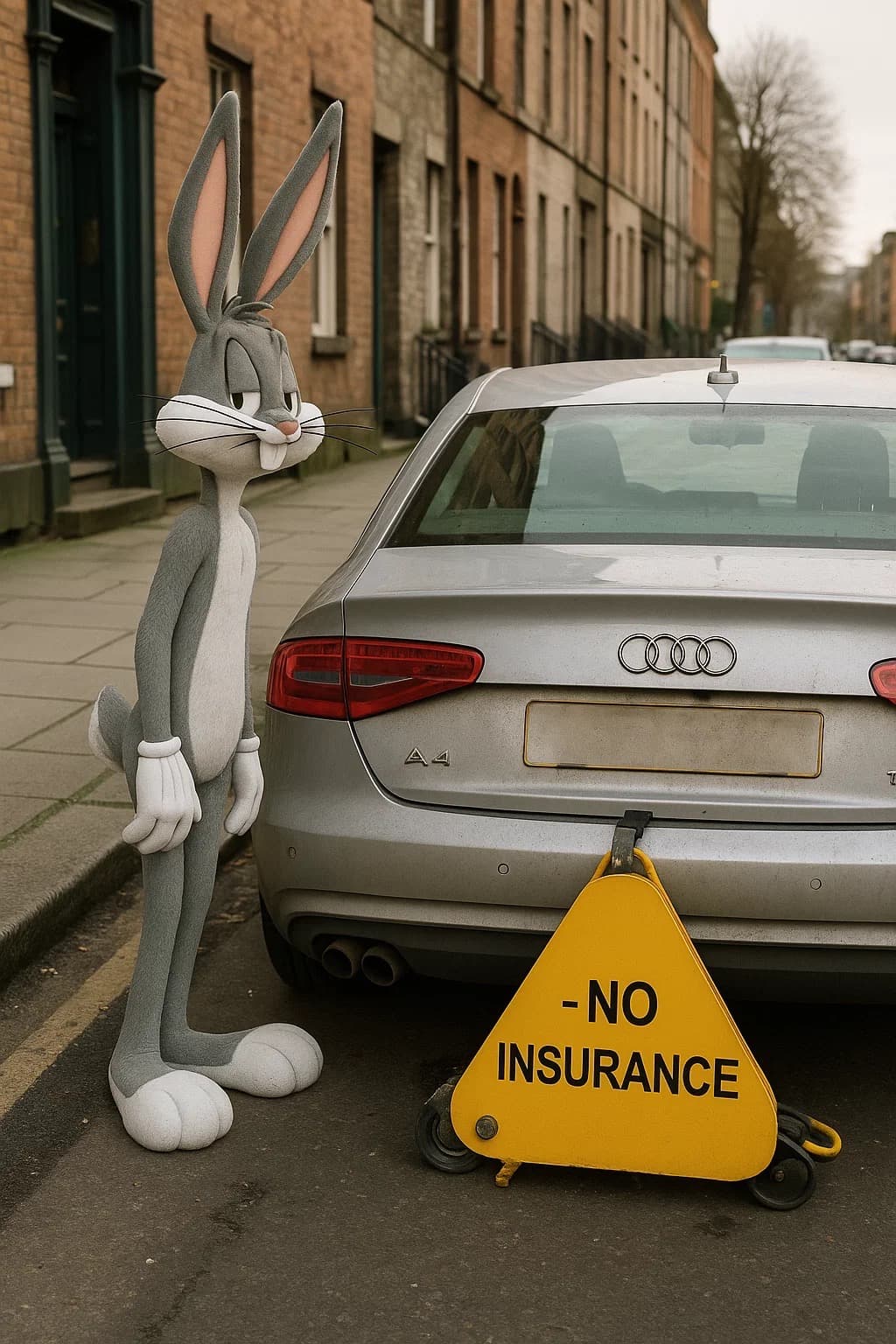
Three things are legal requirements for a car kept or used on the road: insurance, vehicle tax, and an MOT once the car is three years old. Servicing and breakdown cover are not required by law, but skipping servicing usually costs more in the end.
Do I have to insure my car?
Yes. You must have motor insurance to drive on UK roads, and third party cover is the legal minimum. The three levels are:
Third party: covers damage or injury you cause to other people, their vehicles and their property. It does not cover your own car.
Third party, fire and theft: adds cover if your car is stolen or damaged by fire.
Comprehensive: also covers damage to your own car.
Price depends on your age, driving record, postcode, mileage and the car itself, so quotes vary widely. Comprehensive is not always the dearest option, so compare all three. Get a quote on the exact car before you buy it.
When does my car need an MOT?
By the third anniversary of its registration, then every year. The maximum fee for a car is £54.85. You can be fined up to £1,000 for driving without a valid MOT, and you can only drive without one to a pre-arranged test or to and from a repair.
Our guide to what the MOT checks and what happens if you fail has the detail.
How much is road tax?
Road tax is officially vehicle tax, or Vehicle Excise Duty. What you pay depends on when the car was first registered.
Registered on or after 1 April 2017: a flat standard rate from the second year, currently £200 a year, or £210 spread over monthly Direct Debits.
Expensive car supplement: an extra £440 a year for five years if the list price when new was over £40,000, or over £50,000 for an electric car. Zero emission cars registered before 1 April 2025 do not pay it.
Registered before 1 April 2017: the rate depends on the car's CO2 emissions band, so it varies from car to car.
Electric cars are no longer exempt. The supplement catches out buyers of nearly new cars that were expensive when new, so check the original list price. Rates change each April and the current tables are on GOV.UK.
Tax does not pass to the new keeper when a car is sold, so you must tax a car before you drive it away. See how to check if a car is taxed and how electric cars are taxed.
Is servicing a legal requirement?
No, but the car must be roadworthy at all times, and servicing is how you keep it that way. A service covers things the MOT does not, such as engine oil and filters, brake fluid, coolant and the general health of the engine.
Follow the schedule in the car's handbook, which sets intervals by time and mileage. A complete service record also helps when you sell, and most warranties expect the schedule to be kept.
Do I need breakdown cover?
It is optional. Basic policies cover roadside help and a tow to a garage. Dearer ones add home start, onward travel or a replacement car. Check whether you already have it through your bank account, insurance policy or the car's warranty before buying it twice.
Common questions
What if I am not using the car?
If it is kept off the public road you can make a Statutory Off Road Notification (SORN) with DVLA. A car with a SORN does not need tax, but it cannot be driven or parked on the road.
Does an MOT pass mean I can skip the service?
No. The MOT is a safety and emissions check on the day. It does not change the oil or look at the condition of the engine, clutch or gearbox.
How can I compare running costs between two cars?
Get an insurance quote for each, look up the tax for each registration, and compare fuel or charging costs with our running cost calculator.
Servicing and repairs in Barnsley
The anycolourcar.com service centre in Barnsley, South Yorkshire, carries out servicing and repairs. Our labour rate is £80 per hour plus VAT, and menu prices include VAT. Call 01226 574321. If you are looking for your next car, browse what we have in stock.
This guide is general information, not legal or financial advice. Updated October 2026.