Tuesday, February 3, 2026
2 min read
Nearly New or Three Years Old: Which Used Car Age Makes Sense?
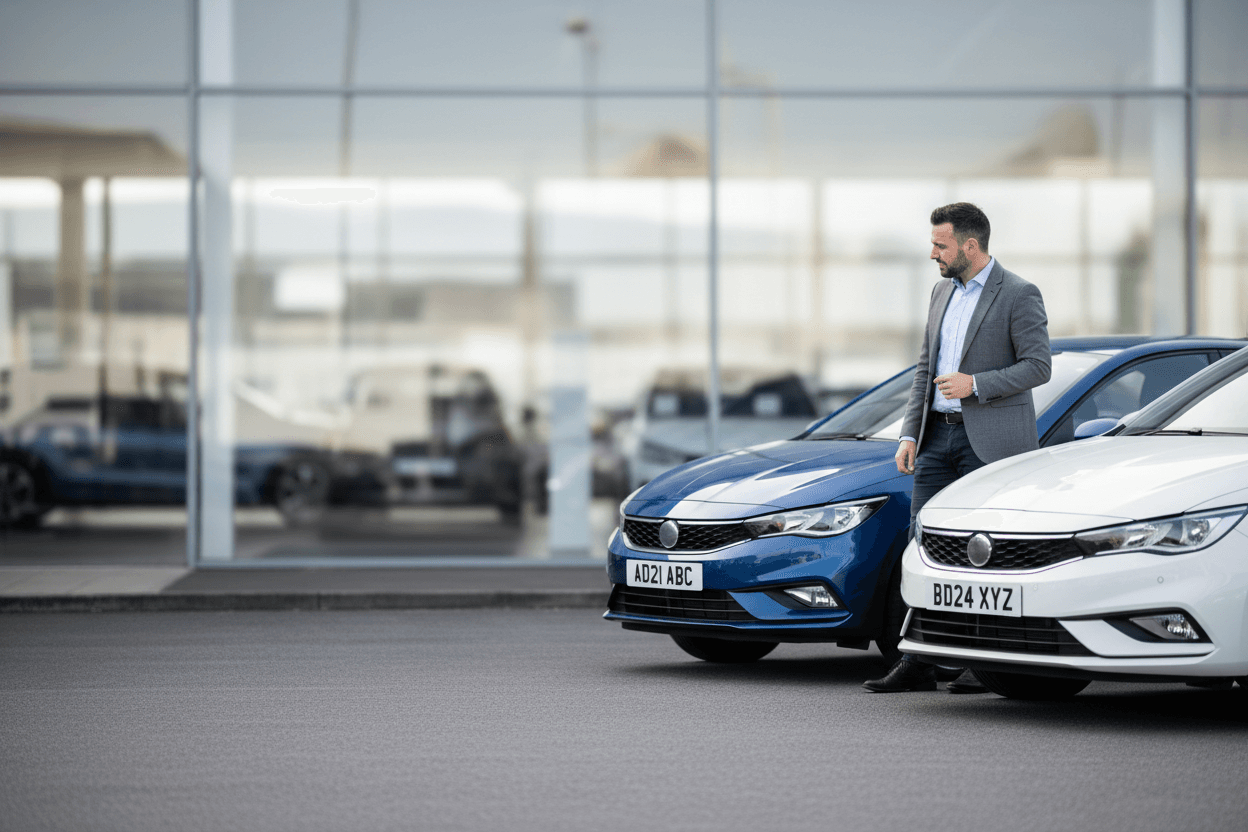
For most buyers, a car of around three to six years old gives the best balance. The first owner has absorbed the steepest part of depreciation, the car is still modern, and it should lose value more slowly while you own it. A nearly new car costs more but brings the newest tech and more of the manufacturer warranty.
Why does a car's age matter so much for value?
Cars lose value fastest in their first few years, then the drop slows. Where you join that curve decides how much value you are likely to lose while you own the car.
Many new cars are bought on three or four-year finance or leases, so plenty of well-kept cars of that age come back onto the used market. That supply is one reason the three-to-six-year bracket tends to be good value.
What are the pros and cons of a nearly new car?
Pros: the latest safety and infotainment tech, most of the manufacturer warranty left, and very little wear.
Cons: you pay closer to the new price, and the car is still on the steep part of the depreciation curve.
What are the pros and cons of a three-to-six-year-old car?
Pros: a much lower price than new, slower depreciation from here on, and features such as smartphone mirroring, LED lights and driver assistance on many models.
Cons: the manufacturer warranty may have ended, and bigger service items such as brakes, tyres or a cambelt may be coming up.
Some brands offer longer manufacturer warranties than the usual three years. If that matters to you, check how much is left and whether it depends on the car being serviced on time.
What should you check on a car of each age?
Under three years: the remaining warranty, any outstanding recalls, and that servicing has been done on time.
Three years and over: the MOT history, as a car's first MOT is normally due at three years old, plus the service history and when major items are due.
Any age: mileage that fits the age, a matching VIN and V5C, and a clean history check.
Our guides to checking service history and how much mileage is too much go into more detail.
Does mileage matter more than age?
Both matter, and condition matters most. A car with average mileage for its age and a full history is usually a safer buy than a younger car with unusually high mileage, which may drop in value faster. Very low mileage on an older car is not always good news either, as cars that sit unused can develop their own problems.
Common questions
Is an older car always cheaper to own?
Not always. Depreciation falls with age, but repair and maintenance costs tend to rise. Our running cost calculator can help you compare cars side by side.
Which cars hold their value best?
Popular, reliable models in sensible colours and trims usually do. We cover this in which cars hold their value best in the UK.
Can I get finance on a three or four-year-old car?
Yes, finance is available on used cars of most ages, subject to status and affordability checks. We are a credit broker, not a lender. You can find out more on our finance page.
Comparing cars of different ages in Barnsley? Browse our cars in stock, get a valuation through our sell or part exchange page, or call sales on 01226 574410.
This guide is general information, not financial advice. Updated October 2026.
