Thursday, July 4, 2024
3 min read
Car Engine Sizes Explained: Which Engine Size Do You Need?
Engine size, measured in litres or cc, tells you the total volume of an engine's cylinders. It is a rough guide to power and fuel use, but modern turbocharged engines mean a small engine can now do the job of a bigger one. Choose based on how and where you drive, then compare real-world economy and running costs rather than the number on the badge.
What does engine size actually mean?
Engine size, or displacement, is the combined volume swept by the pistons in all the cylinders. A 1.5-litre engine is roughly 1,500cc. In general, a bigger engine can burn more fuel and air, so it can make more power, but it may also use more fuel.
Turbochargers have changed the picture. Many small turbocharged petrol engines now produce as much power as larger engines did a decade ago, while using less fuel in gentle driving.
Which engine size suits which kind of driving?
Around 1.0 litre and below
Common in city cars and small hatchbacks, often with three cylinders and a turbo. Ideal for town driving and short commutes. On a fully loaded car or lots of motorway miles, they can work hard and use more fuel than expected.
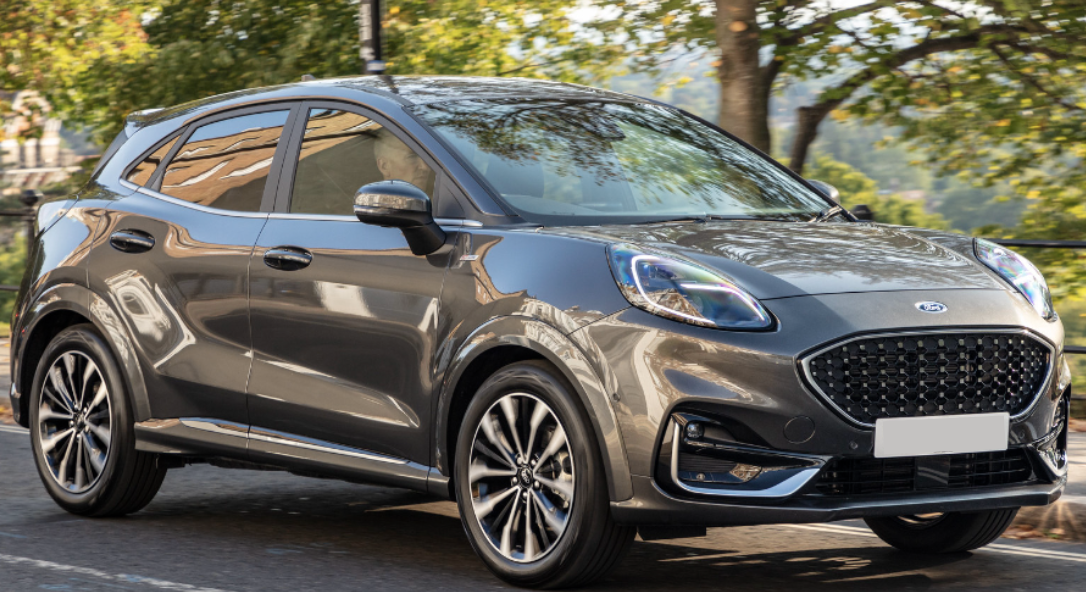
1.0 to 2.0 litres
The most common range for family hatchbacks, estates and small SUVs. A good balance of performance and economy for mixed town and motorway driving.
2.0 to 3.0 litres
Found in larger SUVs, executive cars, pickups and performance models. Better for towing, heavy loads and long motorway runs, at the cost of higher fuel bills.
Above 3.0 litres
Mostly large SUVs, performance cars and some pickups. Plenty of power and towing ability, but expect much higher running costs.
Do hybrids and electric cars change the picture?
Yes. A hybrid pairs a petrol engine, often a smaller one, with an electric motor, which helps most in stop-start traffic. Electric cars have no engine at all, so their power is measured in kW and their battery size in kWh. Our EV glossary explains the terms.
How does engine size affect running costs?
Fuel: larger engines usually use more fuel, but driving style matters just as much.
Insurance: more powerful cars tend to sit in higher insurance groups.
Road tax: for most cars registered from March 2001, tax is based on CO2 emissions or, for newer cars, a standard rate. Cars registered before 1 March 2001 pay a flat rate depending on whether the engine is above or below 1,549cc. Current rates are on GOV.UK.
Servicing: bigger engines can need more oil and more expensive parts.
Our running cost calculator helps you compare cars.
Is a small engine always cheaper to run?
Not always. A small engine in a heavy car can struggle and use more fuel than a slightly bigger engine working less hard, particularly at motorway speeds or when fully loaded. Look at real-world economy reports for the exact car you are considering.
Common questions
What engine size is best for a new driver?
A small to mid-sized petrol engine, often around 1.0 to 1.4 litres, usually keeps insurance and running costs down. See our guide to the best first cars.
Do I need a big engine to tow?
You need a car with a suitable towing limit, which depends on more than engine size. Check the car's towing figures. Our guide to buying a car for towing explains what to look for.
Is a diesel better than a petrol for long journeys?
Diesel engines are often more economical on long, steady runs. For mostly short trips, petrol or hybrid is usually the better choice.
Find the right engine for you
Browse our cars in stock or talk to the anycolourcar.com team in Barnsley, South Yorkshire. Call our sales team on 01226 574410.
Updated October 2026.
