
Wednesday, June 19, 2024
2 min read
Timing Belts vs. Timing Chains: Pros, Cons, and Maintenance Schedules
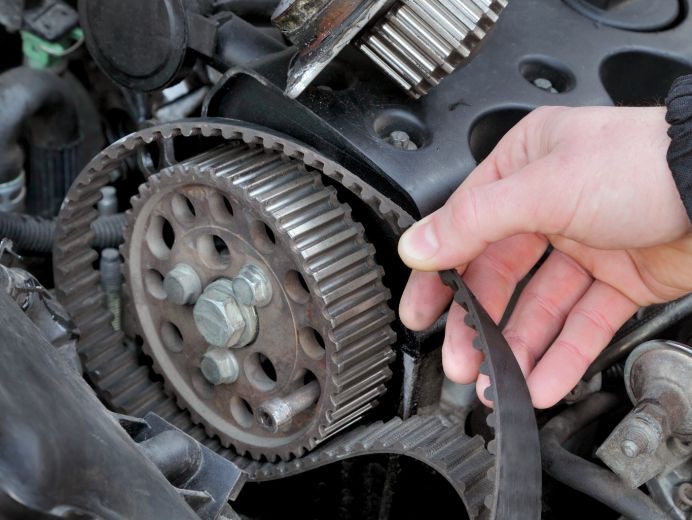
Timing Belts vs. Timing Chains: Pros, Cons, and Maintenance Schedules
When it comes to engine performance and longevity, the choice between a timing belt and a timing chain can significantly impact your vehicle. Understanding the differences, advantages, and potential drawbacks of each can help you make an informed decision for your car’s maintenance needs. At AnyColourCar.com, your go-to automotive source in Barnsley and South Yorkshire, we aim to provide you with comprehensive insights to keep your vehicle running smoothly.
Timing Belts
Pros:
Quiet Operation: Timing belts are made from rubber, which contributes to quieter engine performance compared to the metallic sound of timing chains.
Cost-Effective: Initially, timing belts are less expensive to produce and replace than timing chains.
Lighter Weight: The rubber construction reduces the overall weight, slightly improving fuel efficiency.
Cons:
Regular Replacement Needed: Timing belts typically require replacement every 60,000 to 100,000 miles, depending on the manufacturer’s recommendations.
Potential for Sudden Failure: If a timing belt snaps, it can cause significant engine damage, often resulting in costly repairs.
Sensitive to Environmental Factors: Timing belts can degrade faster in extreme temperatures and are susceptible to wear from oil or coolant leaks.
Maintenance Schedule:
Inspection: Regular inspections every 20,000 to 30,000 miles.
Replacement: Generally every 60,000 to 100,000 miles, though specific intervals depend on your vehicle’s make and model.
Timing Chains
Pros:
Durability: Timing chains are made from metal, providing superior durability and typically lasting the lifetime of the engine.
Less Frequent Replacement: Unlike timing belts, timing chains usually don’t need regular replacement, reducing long-term maintenance costs.
Better for High-Performance Engines: Due to their strength, timing chains are preferred in high-performance and heavy-duty engines.
Cons:
Noisier Operation: The metal links can create more noise compared to the rubber of timing belts.
Higher Initial Cost: Timing chains are more expensive to manufacture and can be pricier to replace if needed.
Complexity in Repairs: If a timing chain does need maintenance or replacement, the process can be more complex and time-consuming.
Maintenance Schedule:
Inspection: Regular oil changes help ensure the timing chain is well-lubricated, reducing wear. It's advisable to inspect the chain during major services.
Replacement: Typically, timing chains do not require scheduled replacement but should be checked for wear or stretch during significant engine work.
Choosing Between Timing Belts and Timing Chains
Your choice between a timing belt and a timing chain largely depends on your vehicle’s requirements and your maintenance preferences. For drivers in Barnsley and South Yorkshire, considering the local climate and driving conditions is also important. Timing belts might be preferred for their quietness and lower upfront cost, while timing chains offer long-term durability and reliability, particularly in high-performance vehicles.
At AnyColourCar.com, we’re committed to helping you make informed decisions about your car’s maintenance. Whether you’re looking for advice on timing belts, timing chains, or any other aspect of vehicle care, our team is here to assist you.