Friday, February 7, 2025
3 min read
Hybrid or Electric Car: Which Suits You Best?
If you can charge at home and most of your driving is local, a fully electric car usually costs the least to run. If you cannot charge easily or you regularly drive long distances, a hybrid gives better economy than petrol or diesel without relying on chargers.
What is the difference between a hybrid and an electric car?
Mild hybrid: a small electric motor helps the petrol or diesel engine. It cannot drive on electric power alone.
Full hybrid: often called self-charging. It can drive short distances on electric power at low speeds and charges its own battery as you drive and brake.
Plug-in hybrid: a bigger battery you charge from the mains, giving a useful electric-only range for shorter trips, with an engine for longer ones.
Electric: no engine at all. You charge it at home, at work or at public chargers.
Our guide to the different types of hybrid goes into more detail, and our EV hub brings our electric car guides together.
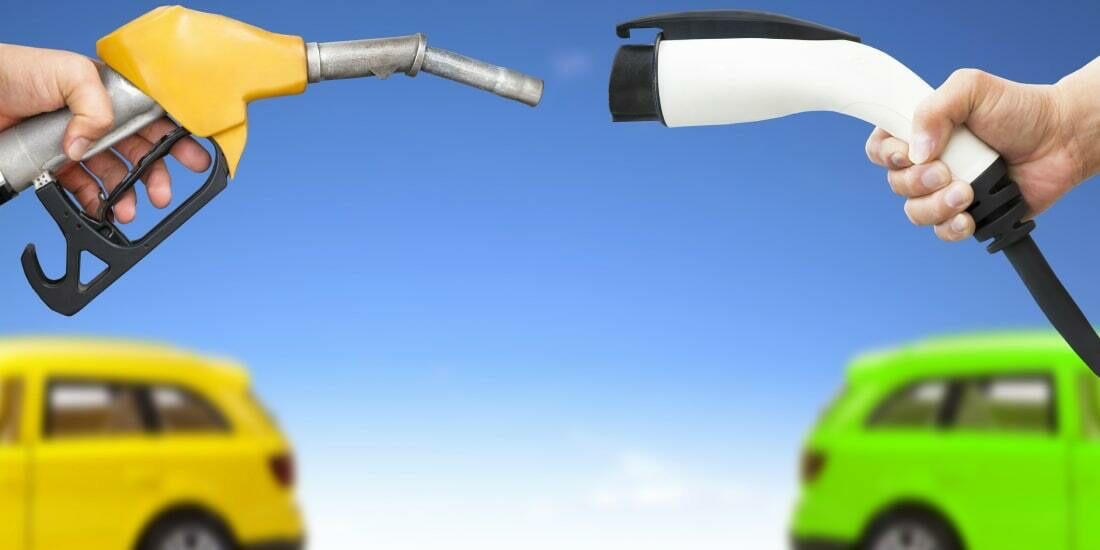
Which is cheaper to run?
An electric car charged at home, particularly on an off-peak tariff, usually costs less per mile than petrol or diesel. Relying on public rapid chargers costs noticeably more and can wipe out much of that saving.
Hybrids are at their most efficient in town and stop-start traffic. On long motorway runs the gap to a frugal petrol or diesel narrows. Our running cost calculator lets you compare cars using your own mileage.
Electric cars have fewer parts that wear out in routine use, but tyres, brakes, suspension and the 12-volt battery still need checking. Regular servicing matters for every type, and it keeps any manufacturer battery warranty valid.
Do electric and hybrid cars pay road tax?
Yes. Since April 2025 electric cars pay vehicle tax in the same way as other cars, and more expensive cars can also pay a yearly supplement. Hybrids are taxed in the same way as petrol and diesel cars. Rates are set by the government and change, so check the current vehicle tax rates on GOV.UK, or read our guide to road tax on electric cars.
How long does an electric car take to charge?
It depends on the size of the battery and the charger. A home wallbox will fully charge most electric cars overnight. A three-pin plug is much slower and best for topping up. Rapid chargers on main routes can add a lot of range during a short stop, though most cars charge more slowly once the battery is around 80 per cent full.
Our guide to EV charging in Barnsley and South Yorkshire covers where to plug in locally.
How far can an electric car go on a charge?
Range varies a lot by model, battery size and age. Cold weather, heating and motorway speeds all reduce it, so expect less than the official figure in winter. We explain why in official range versus real-world range.
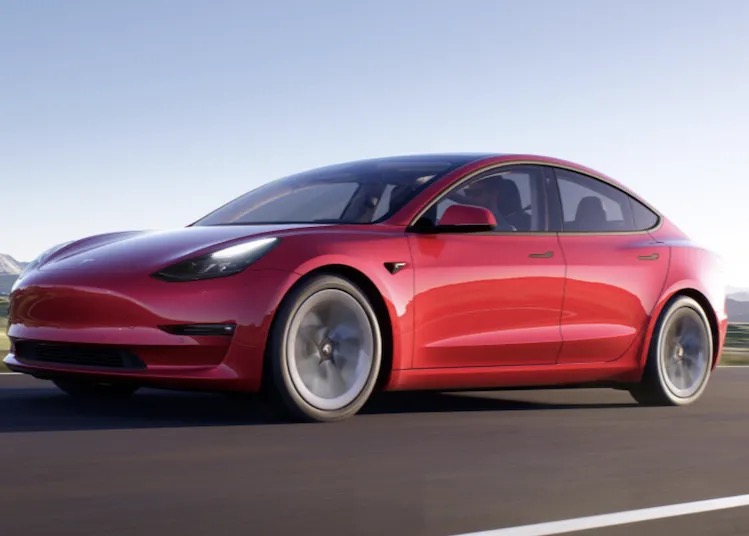
How do you decide which suits you?
Can you charge at home or at work? If not, a full hybrid is often the simpler choice.
How many miles do you do in a typical week, and how often do you make long trips?
Do you tow or carry heavy loads? Check the towing limit, as some electric cars and hybrids have low ones.
What is your total budget, including insurance, tax and charging or fuel?
Common questions
Do hybrids need plugging in?
Only plug-in hybrids. Mild and full hybrids charge themselves while you drive.
Is a used electric car a sensible buy?
It can be, as long as you check the battery's health and any remaining battery warranty. See how to check a used EV battery.
Are electric cars better for the environment?
They produce no exhaust emissions. Their overall impact depends on how the battery was made and how the electricity is generated. We look at this in are electric cars really green?
Looking for a hybrid or electric car in Barnsley? Browse our cars in stock or call sales on 01226 574410. For servicing on hybrids and electric cars, contact our service centre on 01226 574321.
This guide is general information, not financial advice. Updated October 2026.
